A Visit to the Imperial War Museum
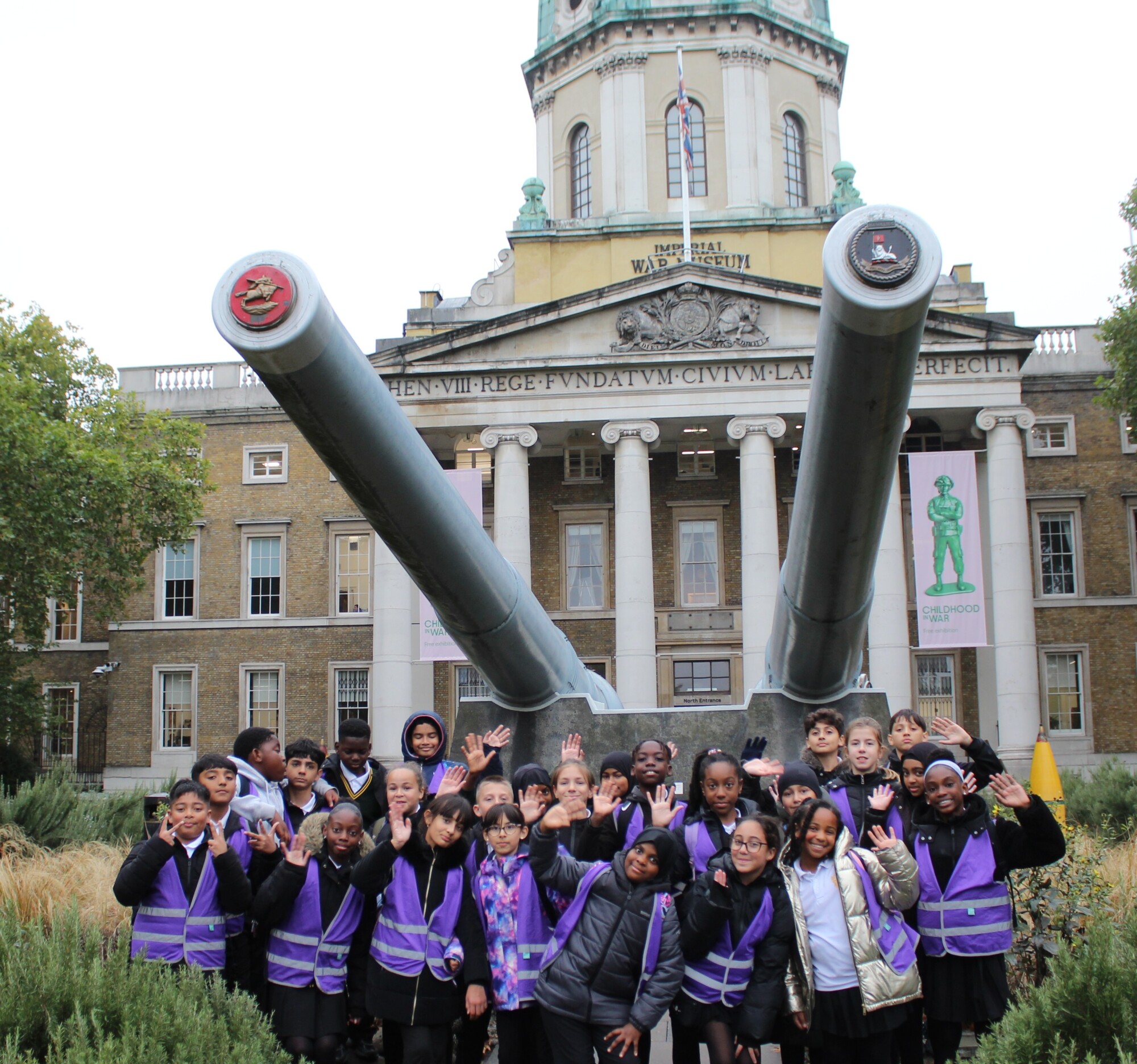
Early on a chilly Tuesday morning, Year 6 arrived at the Imperial War Museum in London. As we approached the enormous building, the children could hardly contain their excitement, just the sight of the enormous anti-aircraft guns were a glimpse of what they would see throughout the visit. The museum, which is filled with artefacts from conflicts throughout history, seemed to tower above them. Although the children had visited museums before, they had never seen so many objects connected to such an important period in history.
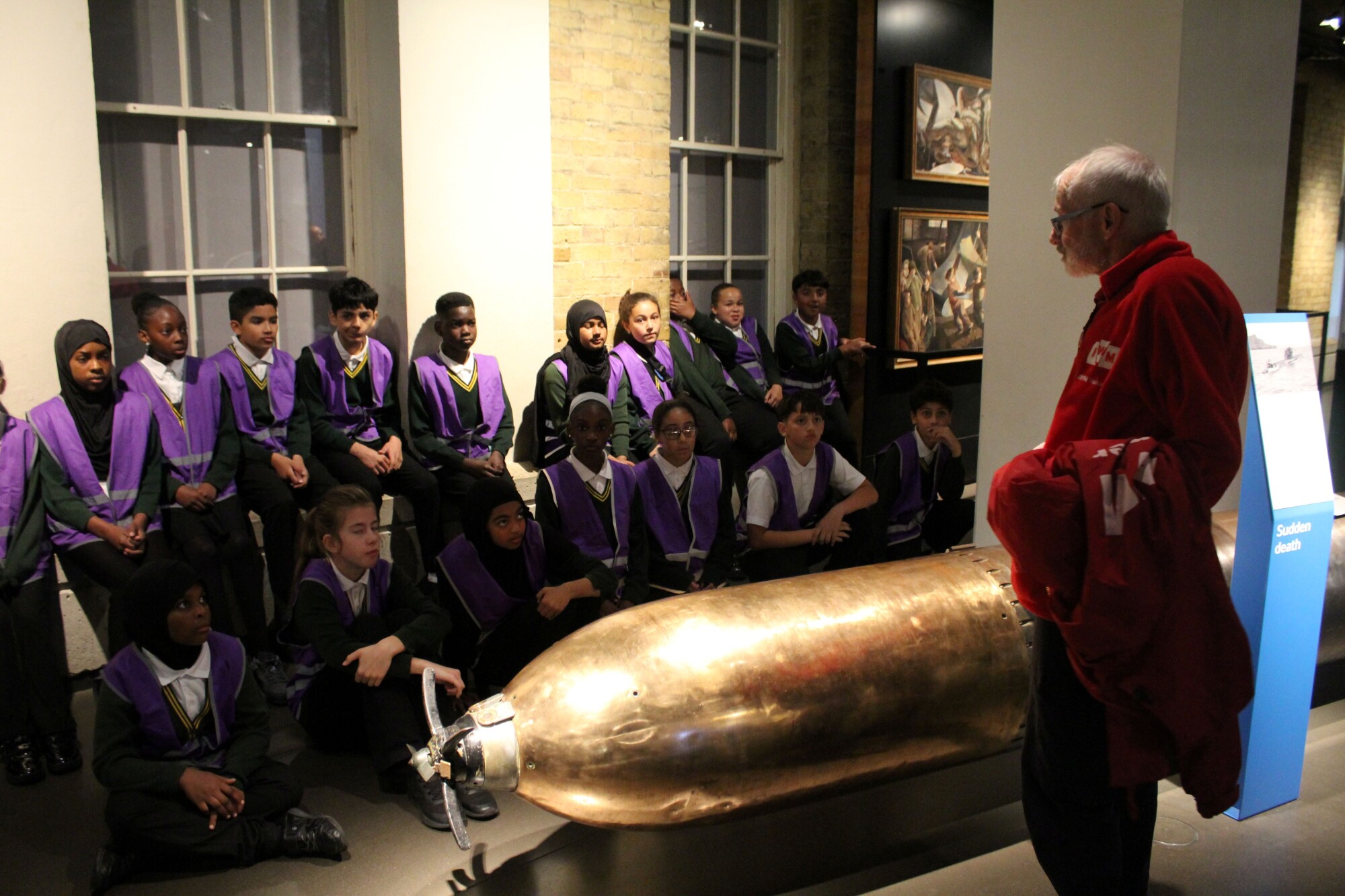
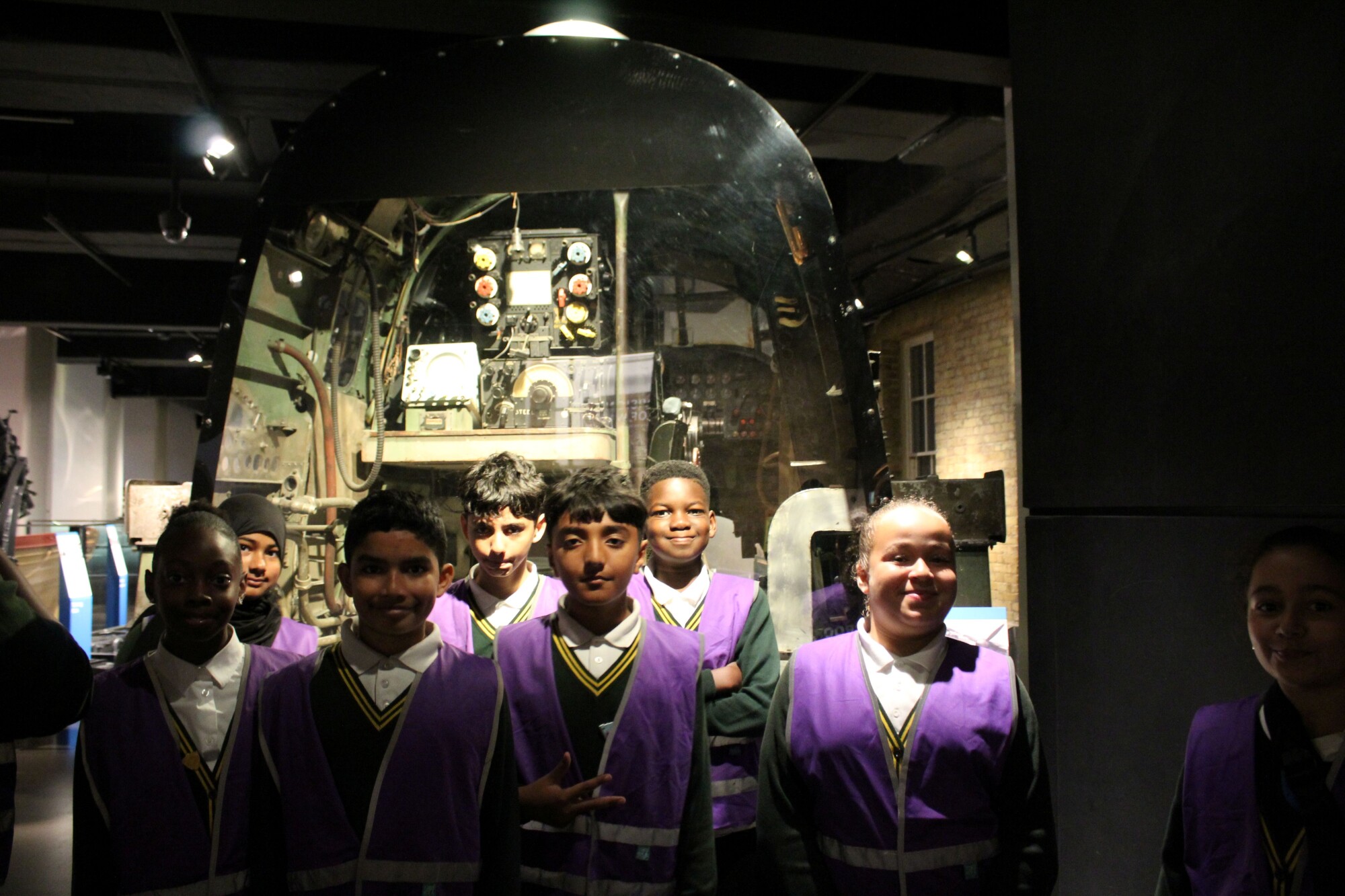
As soon as they stepped inside, the atmosphere changed. Towering above them were huge military aircraft; their dark, weathered bodies immediately caught their attention. Around them, glass cases displayed carefully preserved uniforms, battered helmets and handwritten letters from soldiers who had experienced the war. Although these objects were silent, they seemed to tell their own stories.
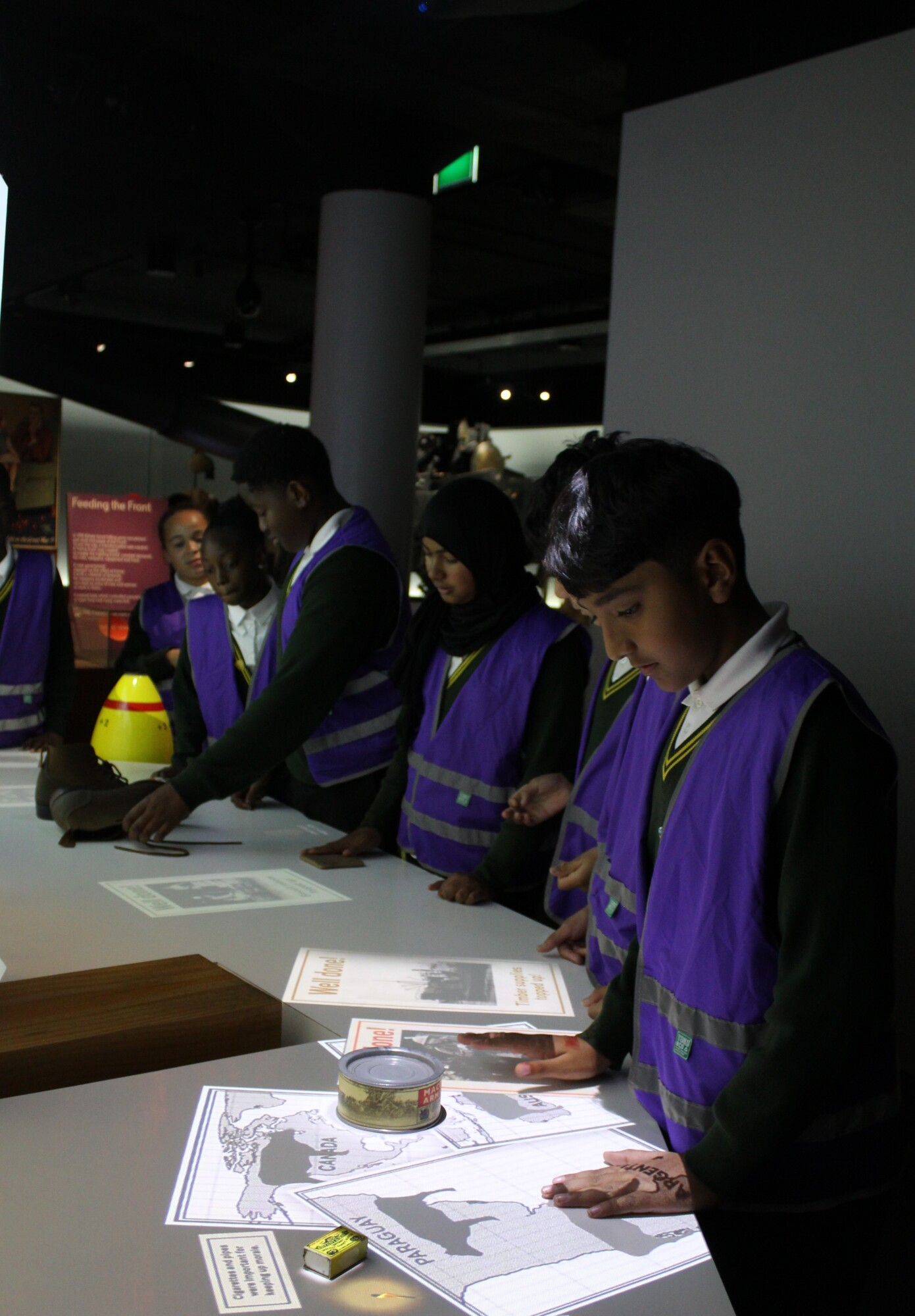
Moving deeper into the museum, they focussed on the collections of World War II artefacts. One particularly fascinating exhibit was the 1940s house, the children enjoyed hiding in the air raid shelter, eating a fish supper and listening to the war time news. They thoroughly enjoyed the ‘Children in Wartime’ gallery, there were so many interactive resources designed to highlight how difficult life was for wartime children.
A little later, they observed a collection of wartime photographs and personal belongings. There were ration books, medals, identity cards and letters sent home to worried families. Unlike the shiny objects in modern museums, these possessions looked ordinary; nevertheless, they provided a powerful connection to the past.
As the children read one of the letters, they began to imagine what life must have been like during the war. While families waited anxiously at home, soldiers faced an uncertain future. The artefacts were not simply old objects — they were reminders of real people whose lives had been changed forever.
Finally, after hours of exploring, it was time to leave. Before they went, the children looked back at the exhibits one last time. The museum had taught them far more than facts from a history book; it had helped them understand the human stories behind the events.
Overall, the visit was fascinating, thought-provoking and unforgettable. The children had arrived expecting to see old objects but left with something much more valuable: a deeper understanding of the people who lived through World War II.