Bringing the World Cup to Life in Sociology
At the end of this term, students in Key Stage 4 and Key Stage 5 have explored how one of the world's biggest sporting events can help us understand society through a sociological lens.
The FIFA World Cup is much more than a football tournament. It is a global event that brings together nations, cultures and communities, while also raising important questions about identity, inequality, the media and social behaviour. Across the Social Sciences Department, students have been using current debates surrounding the World Cup to apply key sociological theories to real-world issues.
Our Year 10 students explored the question: "Should the World Cup be considered one of the most effective events for bringing together people from different cultures and backgrounds?". Students debated how international sporting events can unite people across nationalities while also considering whether competition, nationalism and cultural differences can sometimes create division. They also investigated cultural identity through the debate sparked by former US Men's National Team player and Fox Sports analyst Alexi Lalas, whose comments about Americans calling the sport "football" instead of "soccer" went viral. Students examined how language reflects culture and identity, discussing why the same sport can become a symbol of national identity in different countries and how cultural norms shape the way societies view the world. These discussions encouraged students to think critically about culture, identity and globalisation while developing their evaluative and debating skills.
Our A Level Sociology students considered the question: "Why is Sociology important for understanding global events such as the FIFA World Cup?" Using contemporary media examples, students analysed a video posted by Reform UK MP Sarah Pochin following England's opening World Cup victory over Croatia. In the video, she commented that she was pleased England had won because domestic violence incidents are known to rise following England defeats in major football tournaments before concluding, "So boys, keep winning." Students critically examined this claim using sociological evidence. They explored research showing that reports of domestic abuse can increase around major football tournaments, particularly after defeats. However, they also discussed the crucial distinction made by campaigners: football does not cause domestic abuse—abusers are responsible for their actions. This provided an opportunity to evaluate media narratives, challenge simplistic explanations and apply sociological theories surrounding gender, violence, masculinity and social behaviour.
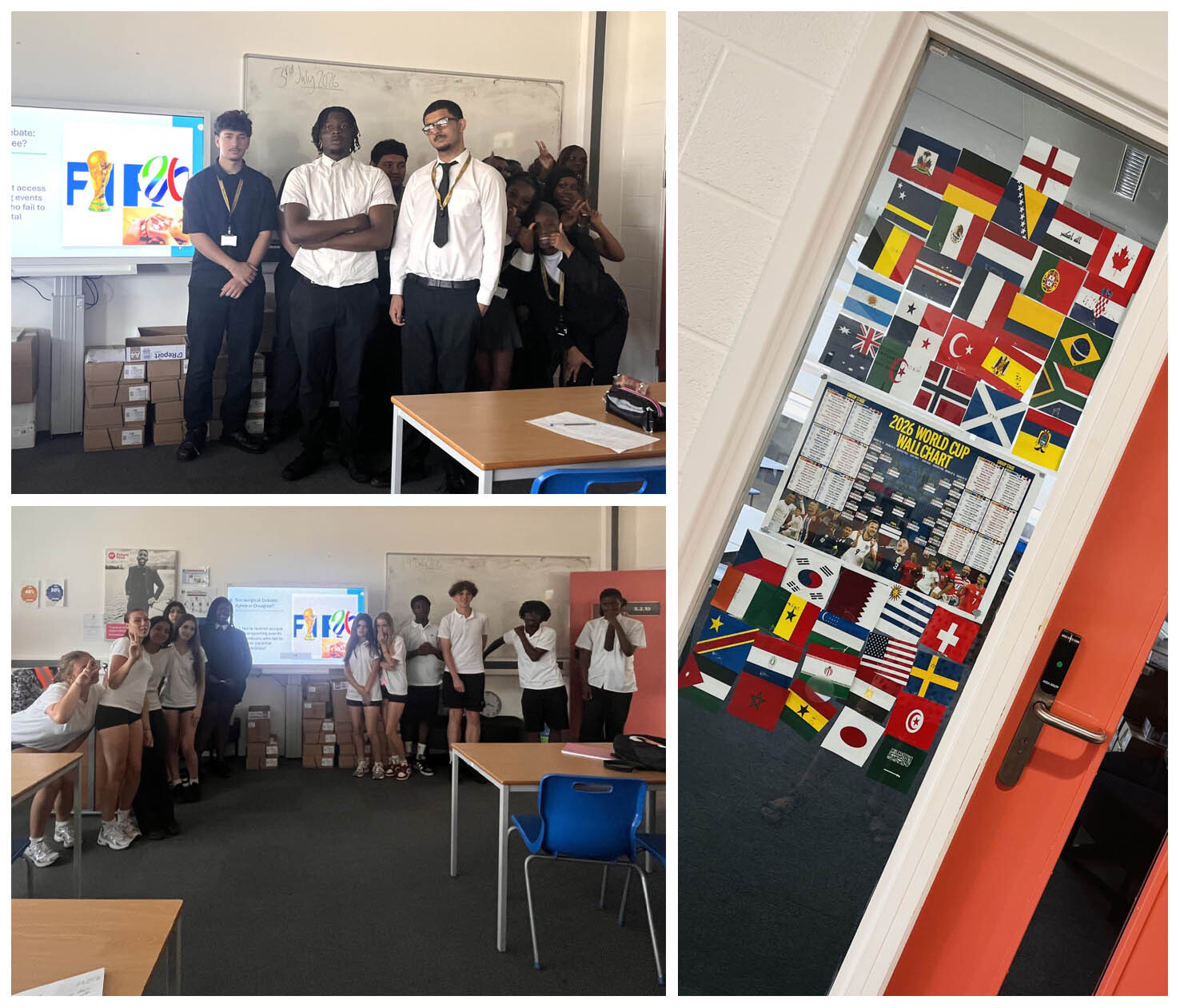
By connecting classroom learning with current affairs and global sporting events, students are developing the skills to question assumptions, analyse evidence and understand the complex social issues that shape our world.
The World Cup provides an excellent opportunity to demonstrate that Sociology is everywhere. From culture and identity to media representation, crime, gender and globalisation, and we are proud our students are learning that understanding society helps them make sense of the events happening around them every day.